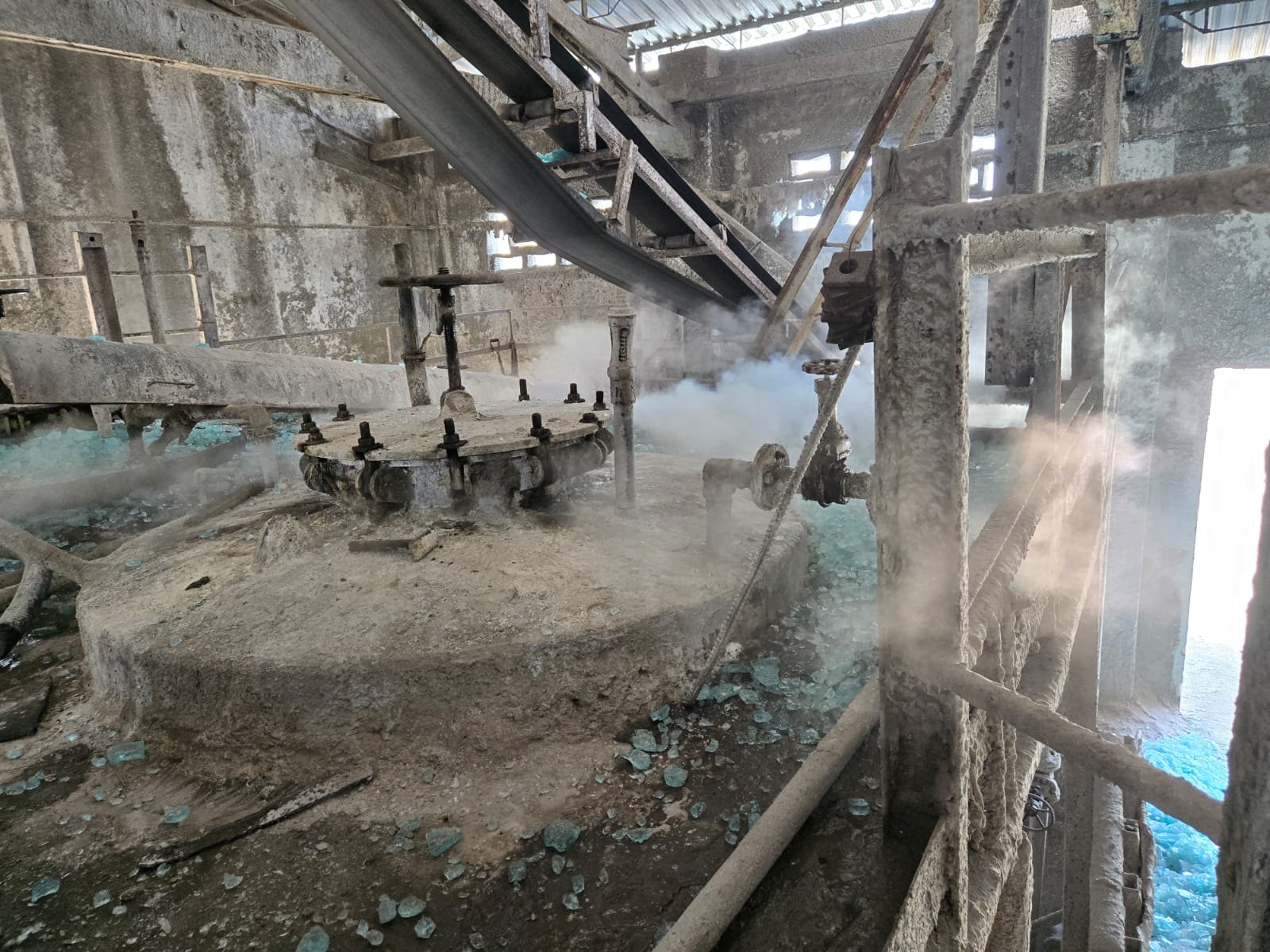
Process equipment
Interior equipment associated with liquid-process operations.
Product pages are prepared for commercial use, while exact grades and specification tables remain intentionally open for your technical team to confirm.
Sodium silicate solid—commonly referred to as sodium silicate glass, water glass solid or silicate cullet—is an amorphous inorganic material based on sodium oxide (Na₂O) and silica (SiO₂). Commercial sodium silicates are available in different grades, with product characteristics selected according to the intended industrial application.
At ECIL, sodium silicate solid is manufactured through a controlled industrial process and finished as a characteristic glass-like material suitable for handling, storage and supply. It is offered as an industrial product for customers requiring dependable sodium silicate for their manufacturing processes.
Its industrial value comes from the combination of silica and alkali in a stable glass form that can subsequently be dissolved or incorporated into downstream manufacturing processes. Sodium silicate products are widely used as binders, alkaline builders, processing aids and feedstocks for other silica-based materials.
Product selection: Sodium silicate is available in different commercial grades. The appropriate grade depends on the customer's process and required end use. ECIL can confirm suitable product characteristics, packing and current specification at enquiry stage.
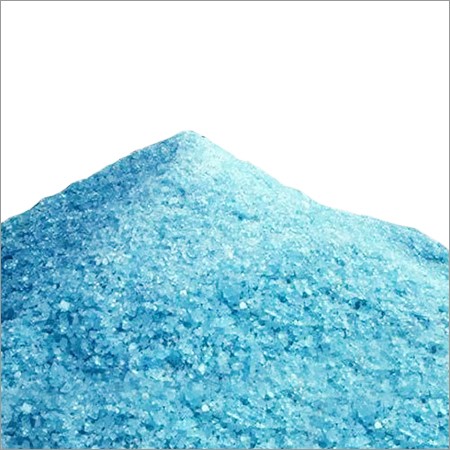
Liquid sodium silicate—widely known as water glass—is an alkaline aqueous solution of sodium silicate. It is normally clear to slightly coloured and can range from free-flowing to viscous depending on the required commercial grade and operating conditions.
ECIL's liquid-production route begins with soluble sodium silicate glass produced in the furnace process. The solid glass is dissolved under controlled process conditions and the resulting solution is transferred through the liquid-processing system for storage and dispatch.
Liquid sodium silicate is valued because one material can provide several useful functions depending on formulation: alkalinity, buffering, binding and adhesion, dispersion, mineral-surface interaction and a source of soluble silica. This versatility explains its long-standing use across a broad range of industrial processes.
Choosing the right liquid grade: Commercial grades are principally differentiated by SiO₂:Na₂O ratio, solids concentration, density/specific gravity and viscosity. These parameters affect handling and application performance. ECIL can confirm the appropriate available grade and supply arrangement against the customer's application.
Sodium silicate is not a single fixed formulation. The relative proportions of silica and sodium oxide can be varied, producing grades with different physical and chemical characteristics for different industrial processes.
The SiO₂:Na₂O ratio is one of the principal ways sodium silicate grades are differentiated. For liquid products, concentration, specific gravity and viscosity are also important commercial parameters. Rather than publishing unverified ECIL values, the website describes these parameters and invites customers to request the appropriate current specification.
The furnace process first produces amorphous sodium silicate glass. That glass can be sold in solid form or dissolved in water under elevated process conditions to produce liquid sodium silicate. This gives ECIL's two principal products a common manufacturing foundation.
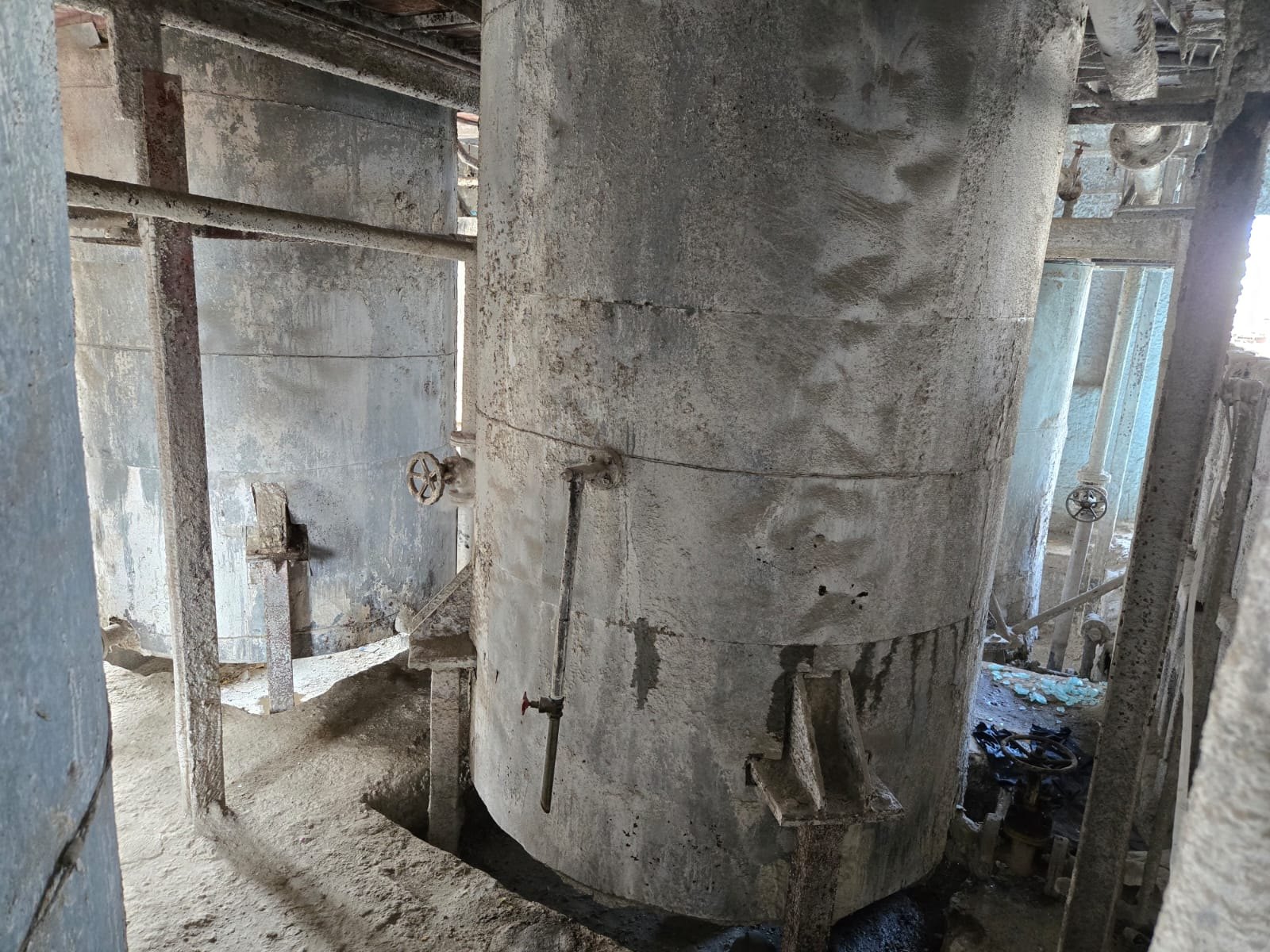
The new interior photographs show process vessels, piping and equipment associated with the plant's liquid-processing area. They are included to give industrial buyers a more authentic view of ECIL's manufacturing environment.
Interior equipment associated with liquid-process operations.
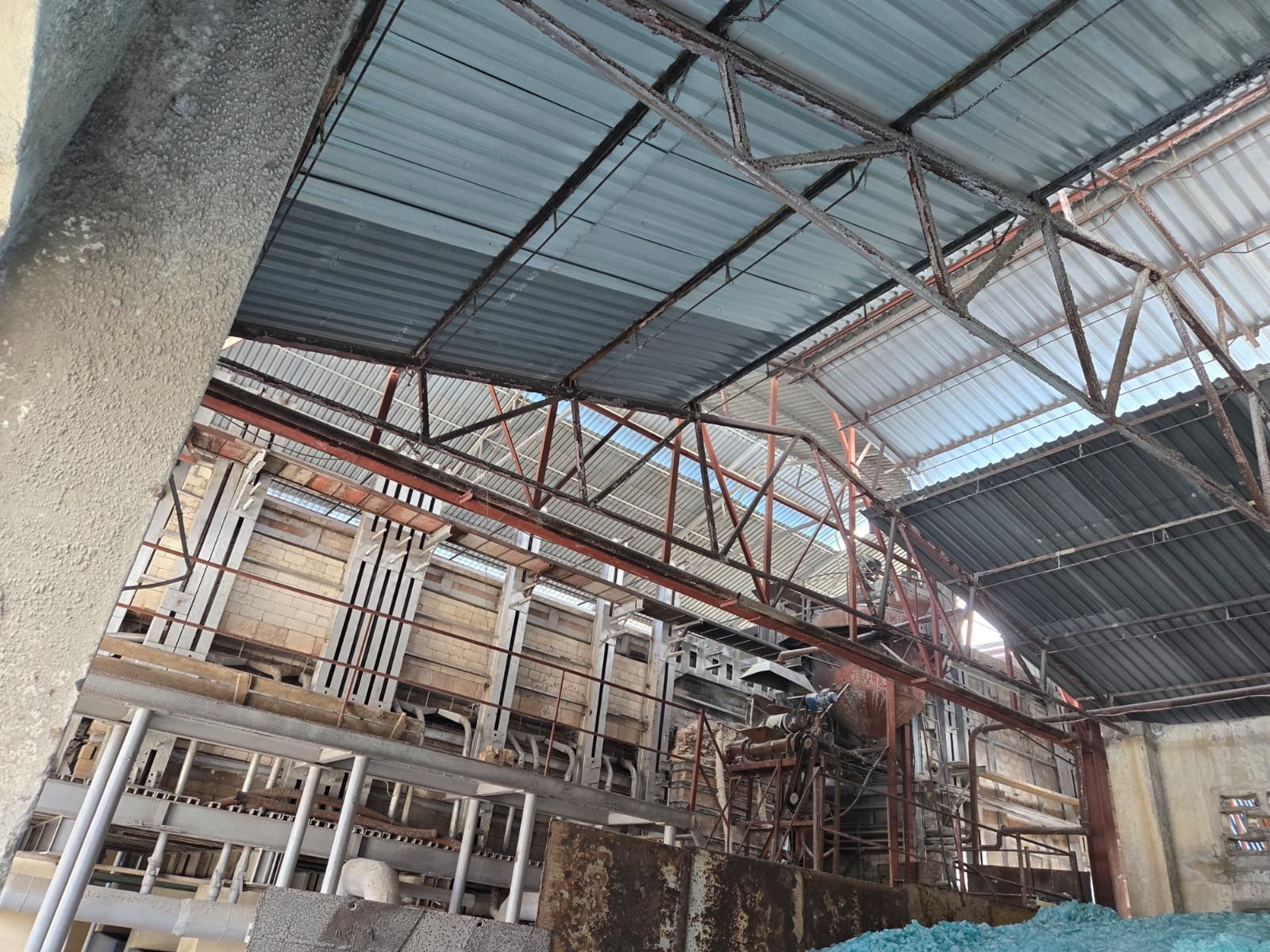
Process-area view showing piping, vessels and the surrounding plant structure.
Large vessels forming part of the liquid-processing section of the factory.